Trending News:Celebrating the Contribution of Our Ancillary StaffGive to Gain: Women, Education and the Mico LegacyRebuilding Jamaica Through Education: Why Teacher Preparation Must Lead National RecoveryStaff Cricket Competition and Sports Day to Energize Mico Week 2026 at The MicoHonorary Graduand Dr. Claudette M. Morris: A Legacy of Leadership, Service, and Educational ExcellenceStrategic Expansion of Marketing & Business Development at The MicoThe Mico University College to Confer Honorary Doctorate on The Honourable Steadman Fuller, CD, JPThe Mico Signs Historic MOU with Jamaica Lacrosse Association to Expand Lacrosse TrainingWATCH LIVE: The Mico to Host Carol Service & Gift Drive 2025Mico Reflects on Breast Cancer AwarenessMrs. Shawna Kay Williams-Pinnock Appointed Acting Dean of CollegeThe latest issue of ARETÉ, the OQA NewsletterDean Leroy Fearon on the SCO’s Global Governance Initiative and Impact on SIDSTALK DI TINGS! – Send Real Stories Now!Mico to Host Exciting On-Campus Orientation and Services FairCongratulate Mico’s Romario Stewart for Bronze at Junior Pan-Am GamesMico Welcomes New Undergraduates at 2025 Orientation“Join the Legacy” Campaign Inspires Future MiconiansJoin the Legacy Campaign: Building Momentum Across JamaicaAn Excellent Staff Fun Day at The Mico will Celebrate Service & CommunityThe Mico Hosts Final Virtual Information Session for 2025/26The Mico’s Presidential Bulleting 077 – Semester One ChangesMessage from the Vice President of Academic Affairs and Special Projects / Senior LadyA New Chapter Begins: Inaugural Message from the Guild PresidentJourney Completed, a Legacy Continued: Farewell from Outgoing Guild PresidentEmotional Farewell from the Guild’s Commissioners of External RelationsWatch The Mico’s Emancipation Day Legacy Message“Join the Legacy” Campaign Hits the Road This AugustThe Mico Shines at International Green Sustainable Technology and Management ConferenceCelebrating the Exciting Release of STEAM Methodology for 21st Century Educators, Monique Jackson-ReynoldsHit the Road – Join the Legacy to Inspire Future MiconiansExcellence: Lyssette Hawthorne-Wilson now Doctor of Education in Educational LeadershipFundraising Campaign Launched to Restore The Mico’s Historic Buxton BuildingAlvin Lawson Elected MOSA President: Great Legacy and LeadershipWhat Happens After Waiting Lists and Assessments for Special NeedsCongratulating to Dr. Denise Minott on Excellent Academic ProgressA Message to Our Fathers from Dr. Asburn PinnockBe Prepared Now: 2025 Atlantic Hurricane SeasonPowerful Labour Day Message from Dr. Asburn Pinnock, President of The MicoThe Mico University will Elevate Mathematics Education with Exciting National WorkshopThe President to the National Mathematics WorkshopThe Mico’s Presidential Bulleting 075 – Summer Term 2025Celebrating Mico Publishers and New Garvey BookMico Hails Dr. Allison McKinley’s Great Doctorate AchievementThe Mico’s Culinary Arts Students Shine on Smile JamaicaThe Mico Congratulates Maureen Mullings Nelson for Prime Minister’s MedalMiconian Rasheed Foster Anchors Jamaica to World Relays GloryReflecting on the Prime Minister’s Visit to The MicoCelebrating Teachers’ Day 2025 with PM visit and Message from Dr. PinnockThe Mico Dominates 2025 Penn Relays with 4×100 Victory
Trending News:Celebrating the Contribution of Our Ancillary StaffGive to Gain: Women, Education and the Mico LegacyRebuilding Jamaica Through Education: Why Teacher Preparation Must Lead National RecoveryStaff Cricket Competition and Sports Day to Energize Mico Week 2026 at The MicoHonorary Graduand Dr. Claudette M. Morris: A Legacy of Leadership, Service, and Educational ExcellenceStrategic Expansion of Marketing & Business Development at The MicoThe Mico University College to Confer Honorary Doctorate on The Honourable Steadman Fuller, CD, JPThe Mico Signs Historic MOU with Jamaica Lacrosse Association to Expand Lacrosse TrainingWATCH LIVE: The Mico to Host Carol Service & Gift Drive 2025Mico Reflects on Breast Cancer AwarenessMrs. Shawna Kay Williams-Pinnock Appointed Acting Dean of CollegeThe latest issue of ARETÉ, the OQA NewsletterDean Leroy Fearon on the SCO’s Global Governance Initiative and Impact on SIDSTALK DI TINGS! – Send Real Stories Now!Mico to Host Exciting On-Campus Orientation and Services FairCongratulate Mico’s Romario Stewart for Bronze at Junior Pan-Am GamesMico Welcomes New Undergraduates at 2025 Orientation“Join the Legacy” Campaign Inspires Future MiconiansJoin the Legacy Campaign: Building Momentum Across JamaicaAn Excellent Staff Fun Day at The Mico will Celebrate Service & CommunityThe Mico Hosts Final Virtual Information Session for 2025/26The Mico’s Presidential Bulleting 077 – Semester One ChangesMessage from the Vice President of Academic Affairs and Special Projects / Senior LadyA New Chapter Begins: Inaugural Message from the Guild PresidentJourney Completed, a Legacy Continued: Farewell from Outgoing Guild PresidentEmotional Farewell from the Guild’s Commissioners of External RelationsWatch The Mico’s Emancipation Day Legacy Message“Join the Legacy” Campaign Hits the Road This AugustThe Mico Shines at International Green Sustainable Technology and Management ConferenceCelebrating the Exciting Release of STEAM Methodology for 21st Century Educators, Monique Jackson-ReynoldsHit the Road – Join the Legacy to Inspire Future MiconiansExcellence: Lyssette Hawthorne-Wilson now Doctor of Education in Educational LeadershipFundraising Campaign Launched to Restore The Mico’s Historic Buxton BuildingAlvin Lawson Elected MOSA President: Great Legacy and LeadershipWhat Happens After Waiting Lists and Assessments for Special NeedsCongratulating to Dr. Denise Minott on Excellent Academic ProgressA Message to Our Fathers from Dr. Asburn PinnockBe Prepared Now: 2025 Atlantic Hurricane SeasonPowerful Labour Day Message from Dr. Asburn Pinnock, President of The MicoThe Mico University will Elevate Mathematics Education with Exciting National WorkshopThe President to the National Mathematics WorkshopThe Mico’s Presidential Bulleting 075 – Summer Term 2025Celebrating Mico Publishers and New Garvey BookMico Hails Dr. Allison McKinley’s Great Doctorate AchievementThe Mico’s Culinary Arts Students Shine on Smile JamaicaThe Mico Congratulates Maureen Mullings Nelson for Prime Minister’s MedalMiconian Rasheed Foster Anchors Jamaica to World Relays GloryReflecting on the Prime Minister’s Visit to The MicoCelebrating Teachers’ Day 2025 with PM visit and Message from Dr. PinnockThe Mico Dominates 2025 Penn Relays with 4×100 Victory
On September 1, 2025, President Xi Jinping presented the Global Governance Initiative (GGI) at the Shanghai Cooperation Organization (SCO) Summit. The proposal emphasized five core principles: sovereign equality, the rule of law, multilateralism, people-centered development, and coordinated action. While the SCO is traditionally a Eurasian bloc, the GGI carries implications far beyond its immediate membership — particularly for Small Island Developing States (SIDS) like Jamaica.
Dean Fearon argues that the GGI is significant because it aligns with the ongoing struggle of smaller nations to secure fair representation, reliable partnerships, and sustainable pathways for development.
A Voice for the Vulnerable
At its heart, the GGI calls for a more balanced world order in which every nation’s sovereignty is respected. For SIDS, this resonates deeply. These states, often vulnerable to climate shocks, economic volatility, and geopolitical marginalization, need frameworks that guarantee not just participation, but influence. By centering equality, the GGI opens the door for SIDS to assert their priorities on global agendas — whether in climate negotiations, trade policy, or security frameworks.
Development Through Innovation and Sustainability
Professor Fearon also highlights the GGI’s emphasis on renewable energy, artificial intelligence, and scientific collaboration. For the Caribbean, this focus is timely. Jamaica and its regional neighbors face high energy costs due to dependence on fossil fuel imports. Investments in renewable energy, under a cooperative global framework, could reduce costs and advance climate resilience. Similarly, scientific collaboration and AI-driven innovation can strengthen Caribbean education, healthcare, and agriculture, ensuring that SIDS are not passive recipients of technology but active partners in shaping sustainable solutions.
Multilateralism and Security in a Fractured World
Another aspect of the GGI that resonates with SIDS is its call for multilateralism and shared security. Historically, small states have relied on collective bargaining, whether through CARICOM, the Alliance of Small Island States (AOSIS), or the Commonwealth. The GGI reinforces this approach by promoting cooperative responses to global crises. For SIDS facing rising sea levels, stronger hurricanes, and economic shocks, collaborative security is not an abstract goal — it is a lifeline.
Turning Vulnerability into Leverage
Professor Fearon’s analysis points to a strategic insight: SIDS should not view themselves only as vulnerable, but as crucial actors in the global system. Their unique position at the frontline of climate change, their maritime resources, and their cultural and diplomatic influence can all be leveraged in shaping global governance. The GGI provides a framework within which this leverage can be exercised more effectively.
What It Means for The Mico Community
For an institution like The Mico University College, the GGI’s principles connect directly with our mission of preparing educators who embody integrity, leadership, and innovation. As Jamaica navigates this evolving global landscape, teachers will play a central role in equipping students with the skills to participate in sustainable development, harness new technologies, and advocate for equity on the world stage.
The lesson from Professor Fearon’s commentary is clear: global governance is no longer a distant concern. It is deeply intertwined with the Caribbean’s future. For Jamaica and other SIDS, the GGI represents not only an opportunity for survival but also for transformation — from the margins of international politics to meaningful leadership in shaping a fairer, more resilient global order.
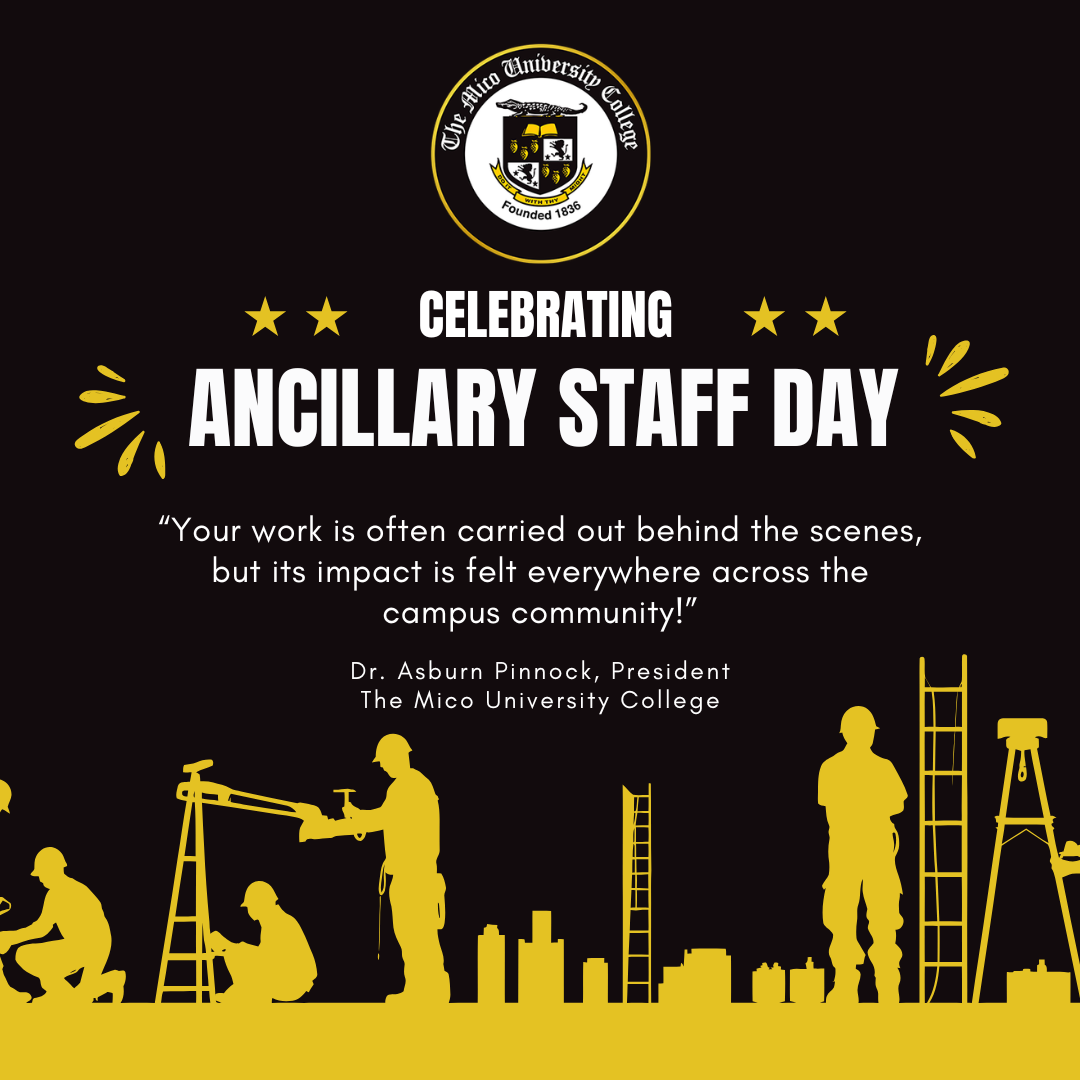
Celebrating the Contribution of Our Ancillary Staff
A message from President Dr. Asburn Pinnock celebrating the dedication and essential contributions of ancillary staff at The Mico University College on Ancillary Staff Day.
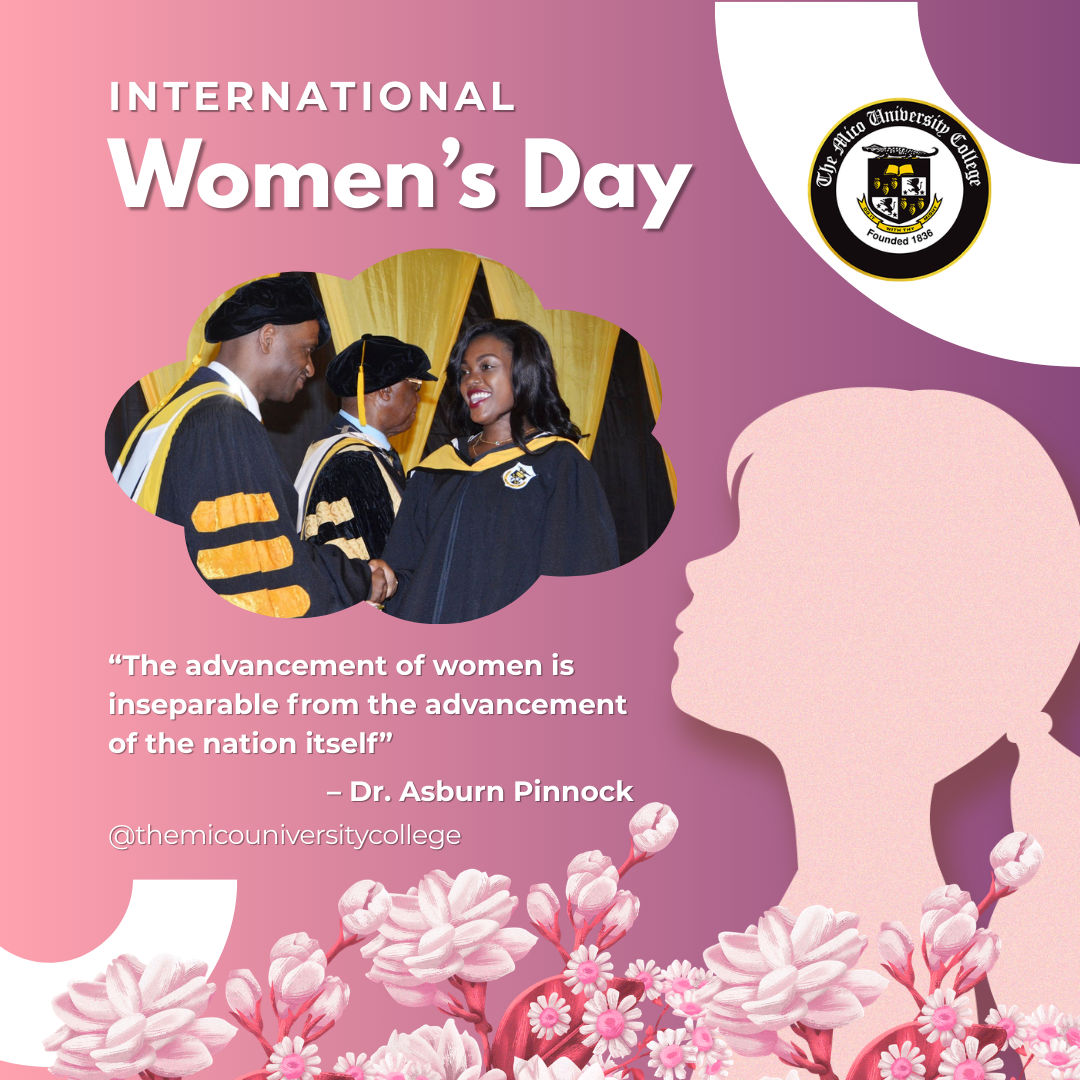
Give to Gain: Women, Education and the Mico Legacy
As we mark International Women’s Day and reflect on its message, we honour the women whose contributions sustain our families, our institution, and the nation. We proudly celebrate their leadership and reaffirm our commitment to empowering the next generation of educators who will carry this remarkable legacy forward.



 Orrett Montague


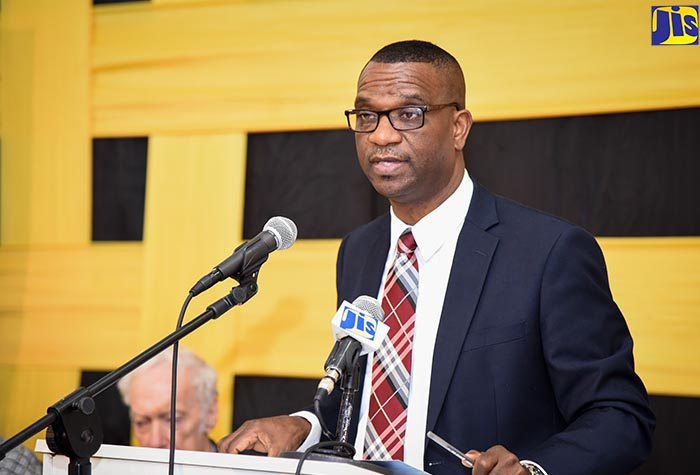
 Dr. Asburn Pinnock